


Preventive Maintenance for Rental Properties: 2026 Guide
preventive maintenance for rental properties gives owners a repeatable way to inspect condition, prioritize work, and reduce avoidable surprises. This guide is written for homeowners, landlords, rental property owners, and property managers in Florida’s Treasure Coast and Denver, Colorado.
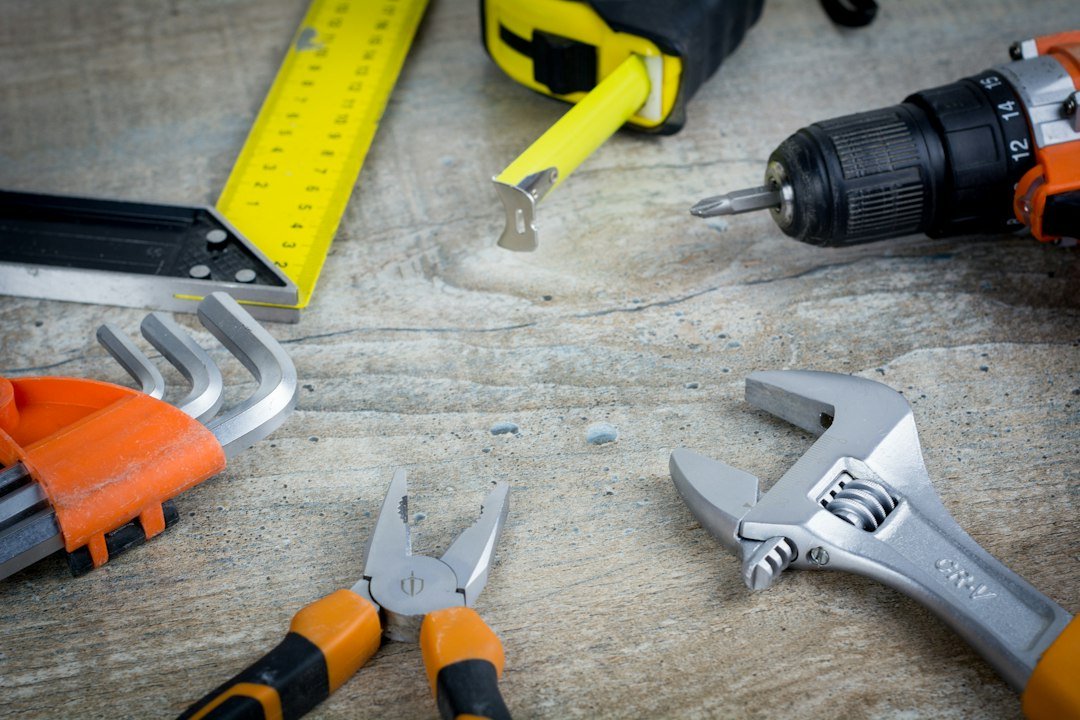
preventive maintenance for rental properties should cover condition, repairs, sequencing, documentation, and follow-up. The goal is to identify problems early, complete necessary repairs before cosmetic work, and keep a record of recurring conditions.
preventive maintenance for rental properties: What Property Owners Should Know First
A checklist is more useful when it is a decision tool rather than a random list. Start by recording what you see without guessing at the solution. Then decide whether the item is routine maintenance, an active repair, a handyman task, a specialist issue, a turnover item, or a renovation opportunity.
Preventive maintenance should reflect climate, occupancy, property age, resident turnover, and the history of recurring repairs instead of relying on one generic schedule. That local context matters for GEO because the article connects the service, property type, and real service markets.
10-Point preventive maintenance for rental properties for 2026
1. Plumbing leaks and water staining
Check faucets, toilets, under-sink areas, supply connections, shutoffs, ceilings, and walls for visible water concerns. For preventive maintenance for rental properties, document the current condition, exact location, and whether the issue is new, stable, or getting worse. That note helps separate routine care from an active repair, a specialist issue, a turnover item, or a future improvement.
Look at nearby components too. A stain can point to moisture; a sticking door can involve alignment, hardware, or seasonal movement; damaged paint can be cosmetic or can reflect an unresolved condition. Treating the cause before the finish helps reduce repeat work.
2. HVAC filters, vents, thermostats, and airflow
Review recurring filter needs, room airflow, thermostat operation, and visible condensate or water concerns. For preventive maintenance for rental properties, document the current condition, exact location, and whether the issue is new, stable, or getting worse. That note helps separate routine care from an active repair, a specialist issue, a turnover item, or a future improvement.
Look at nearby components too. A stain can point to moisture; a sticking door can involve alignment, hardware, or seasonal movement; damaged paint can be cosmetic or can reflect an unresolved condition. Treating the cause before the finish helps reduce repeat work.
3. Doors, locks, hinges, and weather seals
Adjust sticking doors, secure loose hardware, and address damaged seals before access or comfort problems increase. For preventive maintenance for rental properties, document the current condition, exact location, and whether the issue is new, stable, or getting worse. That note helps separate routine care from an active repair, a specialist issue, a turnover item, or a future improvement.
Look at nearby components too. A stain can point to moisture; a sticking door can involve alignment, hardware, or seasonal movement; damaged paint can be cosmetic or can reflect an unresolved condition. Treating the cause before the finish helps reduce repeat work.
4. Bathrooms, caulk, grout, and wet-area finishes
Refresh failed caulk and note damaged grout or finishes where moisture regularly contacts surfaces. For preventive maintenance for rental properties, document the current condition, exact location, and whether the issue is new, stable, or getting worse. That note helps separate routine care from an active repair, a specialist issue, a turnover item, or a future improvement.
Look at nearby components too. A stain can point to moisture; a sticking door can involve alignment, hardware, or seasonal movement; damaged paint can be cosmetic or can reflect an unresolved condition. Treating the cause before the finish helps reduce repeat work.
5. Drywall, ceilings, paint, and trim
Track new cracks, stains, impact damage, peeling finishes, and areas that require patching. For preventive maintenance for rental properties, document the current condition, exact location, and whether the issue is new, stable, or getting worse. That note helps separate routine care from an active repair, a specialist issue, a turnover item, or a future improvement.
Look at nearby components too. A stain can point to moisture; a sticking door can involve alignment, hardware, or seasonal movement; damaged paint can be cosmetic or can reflect an unresolved condition. Treating the cause before the finish helps reduce repeat work.
6. Flooring, stairs, transitions, and railings
Look for loose materials, damaged transitions, trip hazards, movement, and recurring wear in high-traffic areas. For preventive maintenance for rental properties, document the current condition, exact location, and whether the issue is new, stable, or getting worse. That note helps separate routine care from an active repair, a specialist issue, a turnover item, or a future improvement.
Look at nearby components too. A stain can point to moisture; a sticking door can involve alignment, hardware, or seasonal movement; damaged paint can be cosmetic or can reflect an unresolved condition. Treating the cause before the finish helps reduce repeat work.
7. Lighting, fixtures, hardware, and resident-facing components
Test or visually review common-use items and add loose or damaged components to the maintenance list. For preventive maintenance for rental properties, document the current condition, exact location, and whether the issue is new, stable, or getting worse. That note helps separate routine care from an active repair, a specialist issue, a turnover item, or a future improvement.
Look at nearby components too. A stain can point to moisture; a sticking door can involve alignment, hardware, or seasonal movement; damaged paint can be cosmetic or can reflect an unresolved condition. Treating the cause before the finish helps reduce repeat work.
8. Exterior condition and drainage
Check visible exterior deterioration, doors, windows, drainage paths, and weather-exposed materials. For preventive maintenance for rental properties, document the current condition, exact location, and whether the issue is new, stable, or getting worse. That note helps separate routine care from an active repair, a specialist issue, a turnover item, or a future improvement.
Look at nearby components too. A stain can point to moisture; a sticking door can involve alignment, hardware, or seasonal movement; damaged paint can be cosmetic or can reflect an unresolved condition. Treating the cause before the finish helps reduce repeat work.
9. Pest or moisture warning signs
Document unusual odors, stains, debris, gaps, or recurring conditions that may require further investigation. For preventive maintenance for rental properties, document the current condition, exact location, and whether the issue is new, stable, or getting worse. That note helps separate routine care from an active repair, a specialist issue, a turnover item, or a future improvement.
Look at nearby components too. A stain can point to moisture; a sticking door can involve alignment, hardware, or seasonal movement; damaged paint can be cosmetic or can reflect an unresolved condition. Treating the cause before the finish helps reduce repeat work.
10. Turnover carryover items
Use the preventive maintenance log to identify deferred items that should be completed when the unit is next vacant. For preventive maintenance for rental properties, document the current condition, exact location, and whether the issue is new, stable, or getting worse. That note helps separate routine care from an active repair, a specialist issue, a turnover item, or a future improvement.
Look at nearby components too. A stain can point to moisture; a sticking door can involve alignment, hardware, or seasonal movement; damaged paint can be cosmetic or can reflect an unresolved condition. Treating the cause before the finish helps reduce repeat work.
How to Schedule the Work
There is no single schedule for every property. Occupancy, age, climate, history, lease terms, owner standards, and insurance requirements all matter. Use routine checks, seasonal reviews, vacancy inspections, and an annual planning review.
- Create a recurring calendar rather than relying only on memory or tenant requests.
- Combine visual checks with seasonal reviews appropriate to the property’s climate.
- Record every identified item with a date, photo, location, and priority.
- Complete simple preventive tasks during routine visits when practical.
- Review the log before each turnover so deferred maintenance is included in the make-ready scope.
When a known issue is recurring, inspect that area more often until the cause is understood and the repair proves durable. When an item remains stable, keep it on the normal schedule without creating unnecessary service calls.
GEO Guide for Florida’s Treasure Coast and Denver, Colorado
Preventive maintenance should reflect climate, occupancy, property age, resident turnover, and the history of recurring repairs instead of relying on one generic schedule.
Florida properties often require extra attention to moisture, rain, drainage, HVAC demand, caulk, exterior finishes, and storm exposure. Denver properties often require attention to seasonal temperature changes, snow, freeze-thaw conditions, heating demand, weather seals, and snowmelt drainage. The right plan adapts to the actual market and property history.
Megz Masters serves Florida’s Treasure Coast and Denver, Colorado, giving this guide clear geographic relevance for local search and answer engines.
How to Prioritize a Long Punch List
Use four buckets. Priority 1 is active water, safety, security, access, or rapidly worsening damage. Priority 2 is functional repair work. Priority 3 is preventive maintenance that reduces future deterioration. Priority 4 is cosmetic work and optional upgrades.
Group work by room, service type, and dependency. Do not repaint before the source of staining is understood. Do not install flooring before moisture or substrate concerns are resolved. Do not schedule final cleaning before dust-producing repair work is finished.
Common Mistakes to Avoid
- Using preventive maintenance as a substitute for repairing an active leak or safety issue. A stronger process is to record the condition, determine the likely cause, and put the item in the correct priority before work starts.
- Keeping maintenance notes in scattered texts or emails instead of one property record. A stronger process is to record the condition, determine the likely cause, and put the item in the correct priority before work starts.
- Ignoring repeated small repairs that may point to a larger durability problem. A stronger process is to record the condition, determine the likely cause, and put the item in the correct priority before work starts.
- Scheduling paint or cosmetic work before the source of staining or damage is resolved. A stronger process is to record the condition, determine the likely cause, and put the item in the correct priority before work starts.
- Waiting until move-out to inspect areas that could have been maintained during occupancy. A stronger process is to record the condition, determine the likely cause, and put the item in the correct priority before work starts.
A disciplined preventive maintenance for rental properties reduces these mistakes by creating a repeatable process: inspect, document, prioritize, repair the underlying problem, complete finish work, and verify the result.
Maintenance vs Repair vs Handyman vs Turnover vs Renovation
| Service | Best Fit | Typical Trigger |
|---|---|---|
| Maintenance | Recurring upkeep and condition checks | Ongoing attention or preventive work |
| Repairs | Damaged or failed components | Something is leaking, broken, loose, damaged, or not functioning correctly |
| Handyman | Defined small jobs | The owner already knows the small tasks |
| Turnover / Make-Ready | Work between residents | The unit is vacant and multiple tasks need coordination |
| Renovation | Material upgrades | The goal goes beyond restoration into improvement |
Detailed Planning Notes for Owners
Before scheduling service, write down the room or exterior area, the symptom, when it was first noticed, whether it is getting worse, and whether a prior repair has been attempted. That information helps distinguish a new issue from a recurring one.
Keep a simple property history with dates, photos, paint colors, flooring type, fixture model numbers, and materials used. Over time, that record can show whether a repair is lasting and whether replacement may be more efficient than another short-term fix.
For rentals, vacancy is a valuable inspection window because furniture and belongings are no longer hiding walls, flooring, closets, fixtures, and transitions. Close deferred maintenance during that access period, but keep optional upgrades separate from required make-ready work.
For occupied properties, identify what must be repaired now, what should be maintained on a schedule, and what can become a future improvement. Good planning reduces surprises and keeps cosmetic decisions from distracting from property condition.
Helpful External Reference
For additional guidance, review EPA Mold and Moisture Guidance. Owners should also follow applicable local requirements, insurer conditions, manufacturer instructions, and qualified-professional recommendations.
Related Megz Masters Services
Preventive Maintenance →Rental Property Maintenance →Handyman Services →Property Repairs →
Frequently Asked Questions About preventive maintenance for rental properties
How often should preventive maintenance be scheduled?
The best frequency depends on property type, age, resident turnover, climate, lease terms, owner standards, and applicable rules. Many owners combine recurring checks with seasonal reviews.
What is the difference between preventive maintenance and repairs?
Preventive maintenance is proactive upkeep. Repairs correct something that is already damaged, failed, leaking, loose, or no longer operating as intended.
Can preventive maintenance reduce turnover surprises?
Yes. Regular checks can identify deferred items before move-out, making the turnover scope easier to plan.
Should landlords document maintenance visits?
Yes. Dates, photos, notes, and completed work create a useful history for planning and recurring issue tracking.
Can preventive maintenance include handyman work?
Yes. Small adjustments, hardware work, patching, caulk, touch-ups, and similar tasks can overlap with handyman services.
Does Megz Masters offer preventive maintenance?
Yes. Megz Masters provides preventive maintenance and related property services in Florida’s Treasure Coast and Denver, Colorado.
Need Help With Your Property?
If your preventive maintenance for rental properties has turned into a repair list, maintenance plan, turnover scope, or renovation project, tell Megz Masters what the property needs and where it is located.