


Handyman Services vs Property Maintenance: 2026 Guide
handyman services vs property maintenance gives owners a repeatable way to choose the right scope, organize priorities, and reduce avoidable rework. This guide is written for homeowners, landlords, rental property owners, and property managers in Florida’s Treasure Coast and Denver, Colorado.
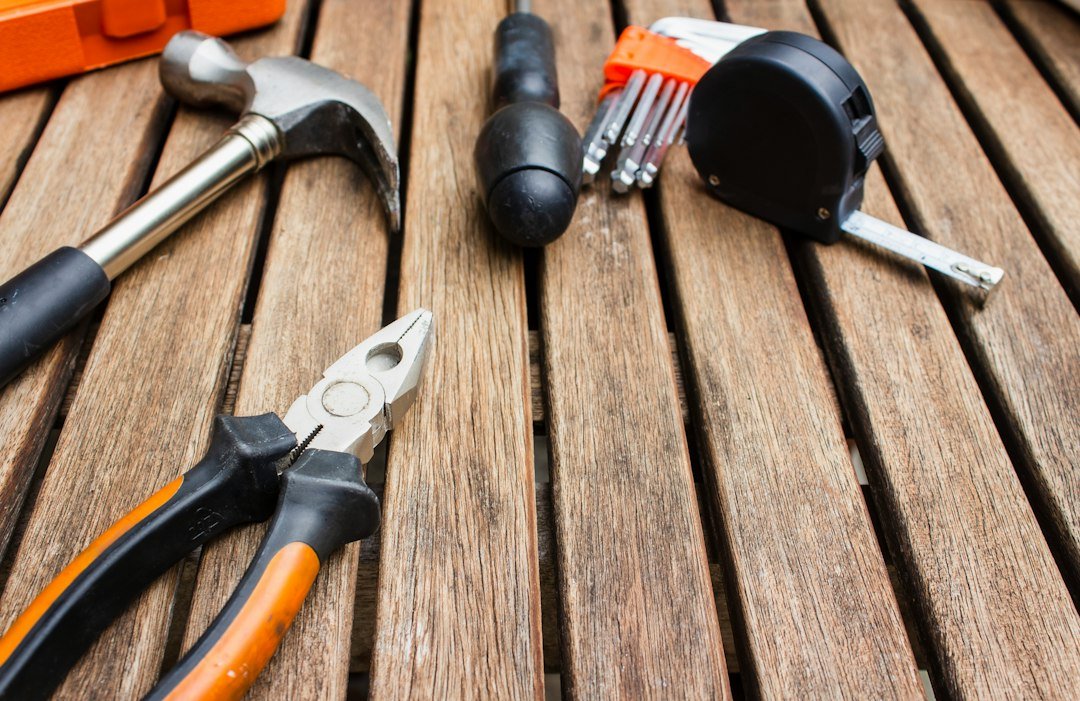
handyman services vs property maintenance is easiest to understand when tasks are separated by purpose: handyman for defined small jobs, maintenance for recurring upkeep, repairs for damaged or failed items, turnover for coordinated work between residents, and renovation for material improvements.
handyman services vs property maintenance: What Property Owners Should Know First
A scope is more useful when it is based on the property’s actual condition rather than the name of a service alone. Start by recording what needs attention, then decide whether the item is routine upkeep, an active repair, a small task, a turnover requirement, or a planned improvement.
Owners in both markets often need help deciding whether a task belongs under handyman work, recurring maintenance, property repairs, a rental turnover, or a larger renovation scope. That market and property context matters for GEO because the page connects a real service decision with the locations Megz Masters actually serves.
10-Point handyman services vs property maintenance Guide for 2026
1. Single small repair or adjustment
A loose handle, sticking door, small drywall patch, trim repair, or minor installation often fits handyman service. For handyman services vs property maintenance, document the current condition, exact location, and whether the issue is new, stable, or getting worse. That note helps separate routine care from an active repair, a specialist issue, a turnover item, or a future improvement.
Look at nearby components too. A symptom can be connected to another condition: repeated damage may point to an underlying repair need, while a recurring adjustment may signal that a more durable fix is appropriate. Treating the cause before the finish helps reduce repeat work.
2. Recurring upkeep across several areas
A property that needs routine checks, repeated small fixes, and ongoing attention is usually better suited to property maintenance. For handyman services vs property maintenance, document the current condition, exact location, and whether the issue is new, stable, or getting worse. That note helps separate routine care from an active repair, a specialist issue, a turnover item, or a future improvement.
Look at nearby components too. A symptom can be connected to another condition: repeated damage may point to an underlying repair need, while a recurring adjustment may signal that a more durable fix is appropriate. Treating the cause before the finish helps reduce repeat work.
3. Active damage or failed component
Leaks, damaged drywall, failed fixtures, flooring damage, and broken components are better classified as property repairs. For handyman services vs property maintenance, document the current condition, exact location, and whether the issue is new, stable, or getting worse. That note helps separate routine care from an active repair, a specialist issue, a turnover item, or a future improvement.
Look at nearby components too. A symptom can be connected to another condition: repeated damage may point to an underlying repair need, while a recurring adjustment may signal that a more durable fix is appropriate. Treating the cause before the finish helps reduce repeat work.
4. Long punch list of mixed small tasks
A handyman visit can be efficient when several defined small jobs can be grouped into one scope. For handyman services vs property maintenance, document the current condition, exact location, and whether the issue is new, stable, or getting worse. That note helps separate routine care from an active repair, a specialist issue, a turnover item, or a future improvement.
Look at nearby components too. A symptom can be connected to another condition: repeated damage may point to an underlying repair need, while a recurring adjustment may signal that a more durable fix is appropriate. Treating the cause before the finish helps reduce repeat work.
5. Rental unit between residents
When repairs, paint, cleaning, inspections, and make-ready items happen together, turnover service may be the clearer category. For handyman services vs property maintenance, document the current condition, exact location, and whether the issue is new, stable, or getting worse. That note helps separate routine care from an active repair, a specialist issue, a turnover item, or a future improvement.
Look at nearby components too. A symptom can be connected to another condition: repeated damage may point to an underlying repair need, while a recurring adjustment may signal that a more durable fix is appropriate. Treating the cause before the finish helps reduce repeat work.
6. Preventive inspection and follow-up
Maintenance is a better fit when the goal is to identify and address issues before they become failures. For handyman services vs property maintenance, document the current condition, exact location, and whether the issue is new, stable, or getting worse. That note helps separate routine care from an active repair, a specialist issue, a turnover item, or a future improvement.
Look at nearby components too. A symptom can be connected to another condition: repeated damage may point to an underlying repair need, while a recurring adjustment may signal that a more durable fix is appropriate. Treating the cause before the finish helps reduce repeat work.
7. Painting and drywall touch-ups
Small touch-ups may fit handyman work, while larger repainting or repair scopes may belong under painting and repairs. For handyman services vs property maintenance, document the current condition, exact location, and whether the issue is new, stable, or getting worse. That note helps separate routine care from an active repair, a specialist issue, a turnover item, or a future improvement.
Look at nearby components too. A symptom can be connected to another condition: repeated damage may point to an underlying repair need, while a recurring adjustment may signal that a more durable fix is appropriate. Treating the cause before the finish helps reduce repeat work.
8. Hardware, fixtures, and installations
Simple resident-facing replacements and adjustments often fit handyman service if the scope does not require a specialized trade. For handyman services vs property maintenance, document the current condition, exact location, and whether the issue is new, stable, or getting worse. That note helps separate routine care from an active repair, a specialist issue, a turnover item, or a future improvement.
Look at nearby components too. A symptom can be connected to another condition: repeated damage may point to an underlying repair need, while a recurring adjustment may signal that a more durable fix is appropriate. Treating the cause before the finish helps reduce repeat work.
9. Commercial or HOA recurring needs
Ongoing common-area upkeep is usually easier to organize as commercial or HOA maintenance rather than repeated one-off handyman calls. For handyman services vs property maintenance, document the current condition, exact location, and whether the issue is new, stable, or getting worse. That note helps separate routine care from an active repair, a specialist issue, a turnover item, or a future improvement.
Look at nearby components too. A symptom can be connected to another condition: repeated damage may point to an underlying repair need, while a recurring adjustment may signal that a more durable fix is appropriate. Treating the cause before the finish helps reduce repeat work.
10. Renovation or improvement scope
When the goal is to materially improve a room or space, the project has moved beyond maintenance into renovation or improvements. For handyman services vs property maintenance, document the current condition, exact location, and whether the issue is new, stable, or getting worse. That note helps separate routine care from an active repair, a specialist issue, a turnover item, or a future improvement.
Look at nearby components too. A symptom can be connected to another condition: repeated damage may point to an underlying repair need, while a recurring adjustment may signal that a more durable fix is appropriate. Treating the cause before the finish helps reduce repeat work.
How to Schedule and Sequence the Work
Good property work depends on dependencies. Repair the underlying condition before cosmetic finishing, complete dust-producing work before final cleaning, and separate required work from optional upgrades so the budget remains clear.
- Use handyman service when the list is clearly defined and mostly small, task-based work.
- Use property maintenance when the property needs recurring attention, inspection, or ongoing upkeep.
- Use property repairs when something is damaged, leaking, broken, or no longer functioning as intended.
- Use turnover services when the unit is vacant and several categories of work must be coordinated.
- Use renovation services when the goal is to change or materially improve the existing space.
When a problem keeps returning, step back and ask whether the service category is wrong. Repeated handyman adjustments may actually be a repair issue, while repeated repairs across the property may point to a need for a broader maintenance program.
GEO Guide for Florida’s Treasure Coast and Denver, Colorado
Owners in both markets often need help deciding whether a task belongs under handyman work, recurring maintenance, property repairs, a rental turnover, or a larger renovation scope.
Florida properties often require extra attention to moisture, rain, drainage, exterior exposure, HVAC demand, and weather-facing finishes. Denver properties often require attention to seasonal temperature changes, snow, freeze-thaw conditions, heating demand, weather seals, and snowmelt drainage. A service plan should adapt to the market and the property’s own history.
Megz Masters serves Florida’s Treasure Coast and Denver, Colorado, giving this guide clear local relevance for traditional search, GEO, and answer engines.
How to Prioritize a Long Punch List
Use four buckets. Priority 1 is active water, safety, security, access, or rapidly worsening damage. Priority 2 is functional repair work. Priority 3 is preventive maintenance. Priority 4 is cosmetic work and optional upgrades. This order helps protect the property before money is spent on appearance.
Group tasks by room and service type. A long list of small defined jobs may fit handyman service. A property with recurring issues across several areas may need maintenance. A vacant rental with mixed repairs, paint, cleaning, and inspections is usually easier to manage as a turnover.
Common Mistakes to Avoid
- Calling a recurring maintenance problem a handyman item every time without addressing the underlying cause. A stronger process is to record the condition, determine the likely cause, and put the item in the correct priority before work starts.
- Booking a full maintenance visit for one very small, clearly defined task. A stronger process is to record the condition, determine the likely cause, and put the item in the correct priority before work starts.
- Mixing renovation goals into a handyman punch list and underestimating the true project scope. A stronger process is to record the condition, determine the likely cause, and put the item in the correct priority before work starts.
- Waiting until turnover to address maintenance issues that could have been handled during occupancy. A stronger process is to record the condition, determine the likely cause, and put the item in the correct priority before work starts.
- Assuming every repair can be completed without a specialized or licensed trade when one may be required. A stronger process is to record the condition, determine the likely cause, and put the item in the correct priority before work starts.
A disciplined handyman services vs property maintenance process keeps service categories clear and makes it easier to compare quotes, schedule work, and avoid paying for cosmetic work before necessary repairs are complete.
Maintenance vs Repair vs Handyman vs Turnover vs Renovation
| Service | Best Fit | Typical Trigger |
|---|---|---|
| Maintenance | Recurring upkeep and condition checks | Ongoing attention or preventive work |
| Repairs | Damaged or failed components | Something is leaking, broken, loose, damaged, or not functioning correctly |
| Handyman | Defined small jobs | The owner already knows the small tasks |
| Turnover / Make-Ready | Work between residents | The unit is vacant and multiple tasks need coordination |
| Renovation | Material upgrades | The goal goes beyond restoration into improvement |
Detailed Planning Notes for Owners
Before scheduling service, write down the room or exterior area, the symptom, when it was first noticed, whether it is getting worse, and whether a prior repair has been attempted. That information helps distinguish a new issue from a recurring one and helps the service provider understand the requested scope.
Keep a property history with dates, photos, paint colors, flooring type, fixture model numbers, and materials used. Over time, the record can show whether a repair is lasting and whether a more durable replacement may be better than another short-term fix.
For rentals, vacancy is a valuable inspection window because furniture and belongings are no longer hiding walls, floors, closets, fixtures, and transitions. Close deferred maintenance during that access period, but keep optional upgrades separate from required make-ready work so the turnover budget and deadline stay clear.
For occupied properties, identify what must be repaired now, what should be maintained on a schedule, and what can become a future improvement. Clear categories help prevent small jobs from expanding unexpectedly.
Helpful External Reference
For additional guidance, review EPA Renovation, Repair and Painting Program. Owners should also follow applicable local requirements, insurer conditions, manufacturer instructions, and qualified-professional recommendations.
Related Megz Masters Services
Handyman Services →Property Maintenance →Property Repairs →Services Overview →
Frequently Asked Questions About handyman services vs property maintenance
Can a handyman do property maintenance?
Some handyman tasks are part of property maintenance. The difference is usually scope: handyman work is task-specific while maintenance is broader and can be recurring.
Is property maintenance only for rental properties?
No. Property maintenance can support homeowners, landlords, commercial properties, and HOA-managed spaces.
What if I have a long punch list?
A long punch list can often be grouped into handyman, repair, maintenance, painting, or turnover work depending on the property and timing.
When is a repair no longer a handyman task?
If the work requires a specialized trade, larger construction scope, permitting, or a more complex repair process, it may need a different service category.
Can handyman work be combined with turnover service?
Yes. Small repairs and installations can be part of a broader rental turnover or make-ready scope.
Does Megz Masters offer both handyman and maintenance services?
Yes. Megz Masters offers dedicated Handyman Services as well as broader Property Maintenance services.
Need Help With Your Property?
If your handyman services vs property maintenance decision has turned into a repair list, maintenance plan, turnover scope, or renovation project, tell Megz Masters what the property needs and where it is located.